 ユーザー登録
 ログイン
ログイン
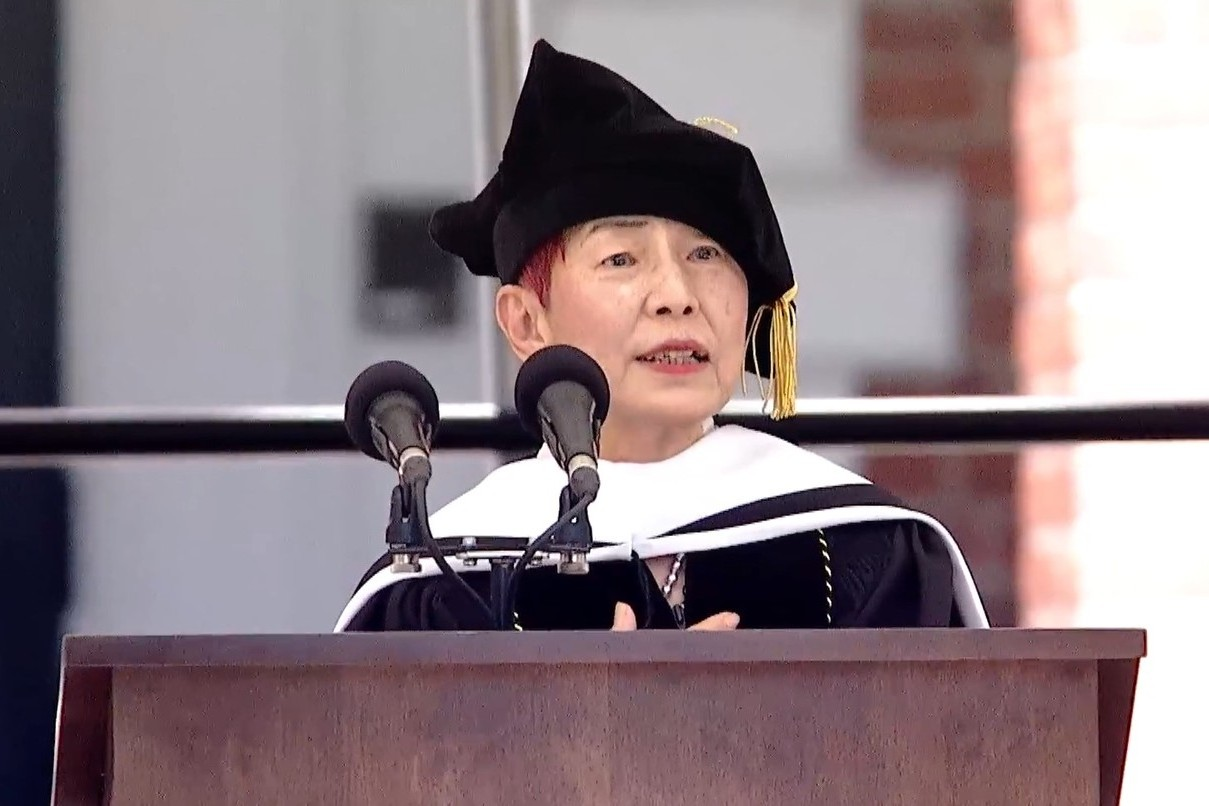
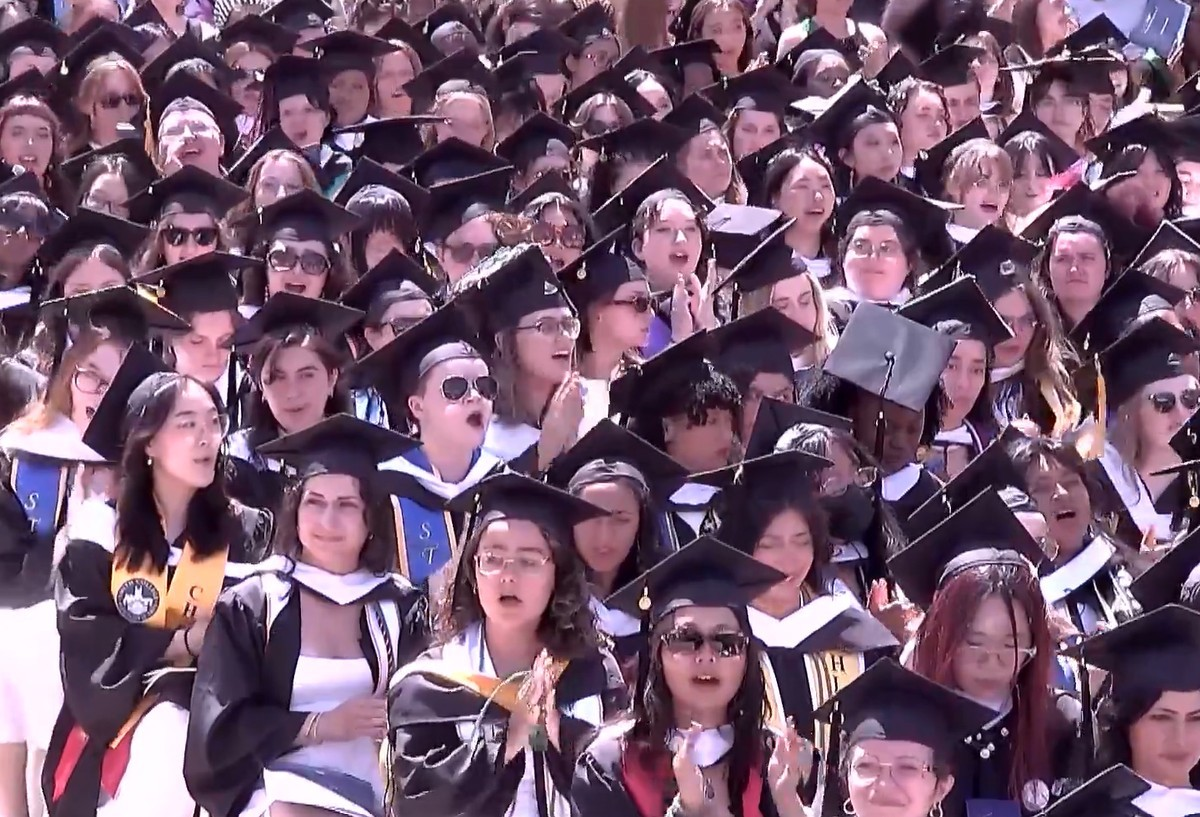
Chizuko Ueno, Chief Director of Certified NPO Women's Action Netwaork, received an honorary degree from Smith College, well-known Women’s College, one of the Seven Sisters in the USA, and delivered a speech at the commencement on May 17, 2026.
President Sarah Wilie-LeBreton’s introduction of Dr. Ueno starts about 1:44 ahead, followed by Ueno’s speech at 1:46 for about three minutes.
https://www.smith.edu/news-events/events/commencement/livestream
◇◇◇◇◇◇◇◇◇◇◇◇◇◇◇◇◇◇◇◇◇◇◇◇◇◇◇◇◇◇◇◇◇◇◇◇◇◇◇◇◇◇◇◇◇◇◇
Remarks by President Sarah Wilie-LeBreton on the conferral of honorary degree
Honorary Degree@Smith
Chizuko Ueno
Sociologist, Feminist
Born in postwar Japan, you came of age in a society that expected women to be compliant and invisible. But as you grew into adulthood, you found yourself confronting systemic misogyny within Japan’s patriarchal structures and you became committed to working for gender equality. A sociologist by training and a feminist by conviction, you came to understand that sexism was not endemic to premodern Japan, but rather, an integral component of postindustrial capitalist economies and the modern family. Patriarchy and capitalism, you have contented, reinforce one another: Housework is labor, the burden of care fails unfairly on women, and feminism must be accessible to everyone, not only the educated. In your mind, it’s simple: “A feminist is someone,” you’ve said, “who pursues freedom and justice.”
You became a tireless researcher and author of several books challenging patriarchy, misogyny, and even questioning marriage, and you spent decades building gender studies into a legitimate academic field in Japana. Scholars have coined the term “the Ueno Chizuko phenomenon,” referring to your influence on feminist thought across East Asia. Named one of The Time magazine’s 100 Most Influential People of 2024, you remain a prominent voice for gender equality. For your scholarship, your courage, and your enduring commitment to women’s equality, Smith College is proud to award you the degree of Doctor of Humane Letters, honoris causa.
◇◇◇◇◇◇◇◇◇◇◇◇◇◇◇◇◇◇◇◇◇◇◇◇◇◇◇◇◇◇◇◇◇◇◇◇◇◇◇◇◇◇◇◇◇◇◇
A Speech by Chizuko UENO
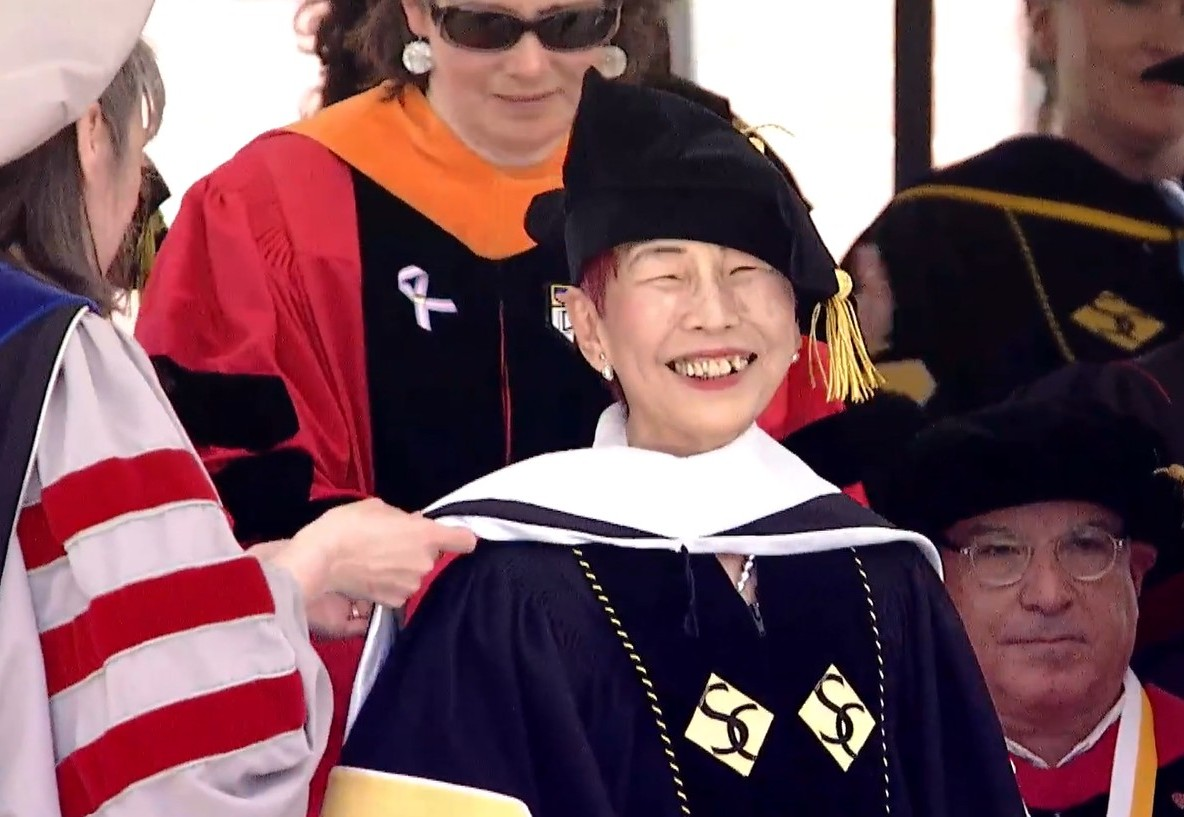
It is my great honor to receive an honorary degree from Smith College. This invitation came as a true surprise to me. I have not had prior ties to this institution—I am neither a graduate nor a former faculty member.
As I learned more about Smith College, I came to admire its remarkable legacy. It has nurtured women who have challenged for gender justice—people like Betty Friedan, Gloria Steinem, and Sylvia Plath.
To be recognized here, especially as a scholar from Asia, carries special meaning for me. I belong to the pioneer generation of gender studies. Throughout my academic life, I have challenged the gender bias in knowledge. I am also committed to activism, as gender studies was born out of feminism.
I accept this honor as a reflection of the importance of diversity, dialogue, and peace. And yet, we are living in a time when these values cannot be taken for granted. Around the world, we see growing division—and a turn away from dialogue toward force.
The 20th century was marked by devastating wars with an unprecedented loss of life. The 21st century began with violence, followed by ongoing conflicts. We once hoped the world would move toward a better society. Yet today, we are confronted once again with the stark reality of military power.
As a citizen from a country that experienced defeat in war, I once looked at the United States as a model of freedom and democracy, but unfortunately not anymore. Today, that image has become more ambiguous.
As a citizen from a country that has experienced atomic bombings, I must speak about the dangers of nuclear weapons. They cast a long shadow over humanity. We now possess the power to destroy our world—but we have not yet learned how to restrain that power.
In my country, we now have our first woman prime minister. However, the presence of women in power does not automatically guarantee gender justice. What matters is the values that leadership upholds.
Peace and gender justice are deeply connected. We cannot fully achieve one without the other.
You are entering the world with uncertainty at a difficult time. Reaching an old age, I feel a deep sense of responsibility for the world we are leaving to you. At your age, you are not responsible for the difficulties we face today. But one day, you may be asked: What did you do at this moment in history?
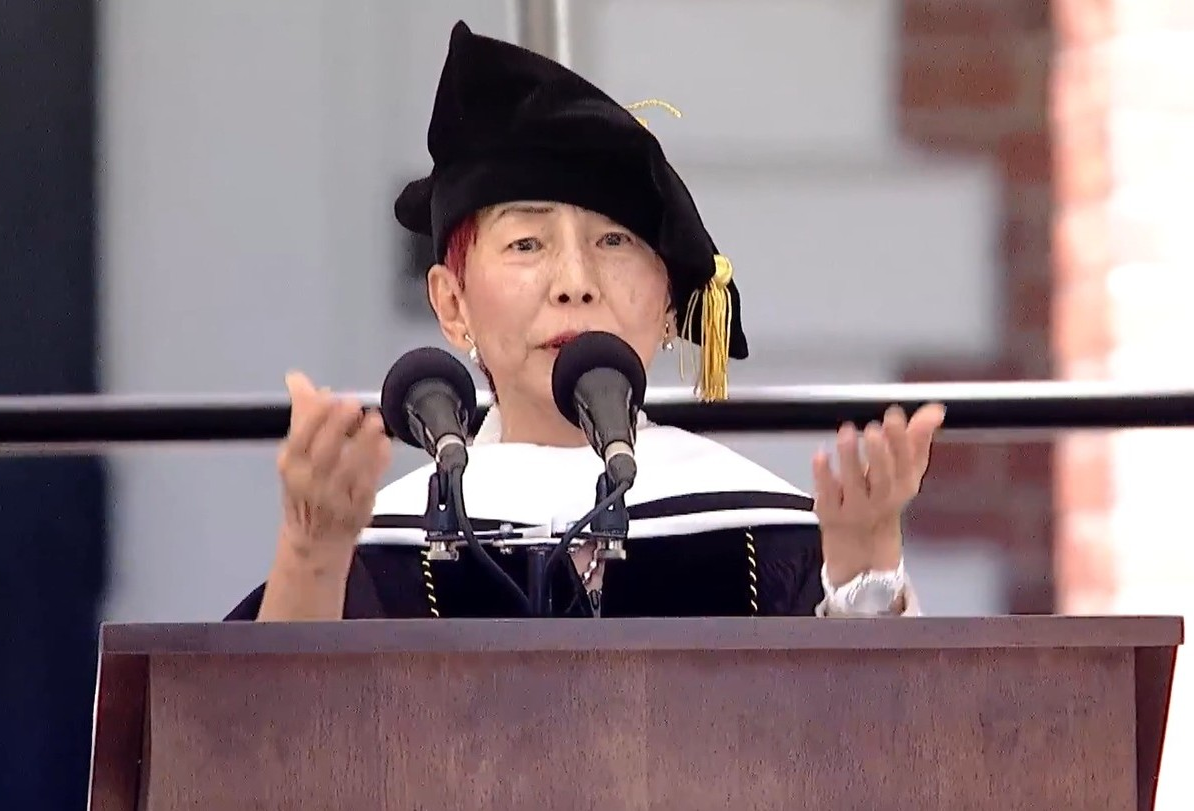
Your sisters, mothers, and grandmothers have challenged, fought, struggled for gender justice and peace.
Now it is your turn.
Congratulations. And thank you.
◇◇◇◇◇◇◇◇◇◇◇◇◇◇◇◇◇◇◇◇◇◇◇◇◇◇◇◇◇◇◇◇◇◇◇◇◇◇◇◇◇◇◇◇◇◇◇
Japanese translation/日本語訳:
上野千鶴子WAN理事長 米国スミスカレッジから名誉学位授与 スピーチ全文公開
All the photos have been taken from the following website:
https://www.smith.edu/news-events/events/commencement/livestream




![[広告]広告募集中](https://wan.or.jp/assets/front/img/side_ads-call.png)