 ユーザー登録
 ログイン
ログイン わいわいWAN
わいわいWANは、 若い世代を中心としたオンライン&オフラインの集まりです。しごと、キャリア、恋愛、結婚、出産、育児のさなかにいる自分たちの感じたことや思ったことを、語り合い、つながり、情報を発信していく場です。 オンラインではそれぞれの身近な問題や出来事について自由に語り合い、オフラインではわいわい楽しく交流していく場を提供します。
フォーラム
トピックやオフ会を投稿するには、WANサイトユーザー登録を行ったうえで、ログインが必要です。
また、ご利用にあたっては投稿規定をご確認下さい。
- ALL(105)
- 悩める森 (4)
- 働き女子 (22)
- 趣味 (0)
- 旅行 (3)
- グルメ (1)
- マネー (10)
- 美と健康 (1)
- 自己啓発 (2)
- 本・映画 (40)
- 住まい (2)
- テレビ・新聞 (5)
- イベント (4)
- ディーセントワーク (0)
- 子育て (4)
- ハラスメント (5)
- 恋愛 (2)
| タイトル | 作成日 | コメント |
|---|---|---|
| 子育て女子の選ぶ保険はどれ?その1 | 2016年04月05日 23時00分 | 2 |
| おやじギャグ | 2016年03月12日 16時23分 | 1 |
| 『ナオミとカナコ』 | 2016年03月06日 20時29分 | 1 |
| お母さんだけの部屋 ~その1 お母さん、部屋をつくる~ | 2016年02月23日 15時35分 | 2 |
| 『痴漢を離さないで』 | 2016年02月18日 14時33分 | 2 |
| 住宅を買うなら | 2016年02月02日 13時46分 | 158 |
| 育児の大変さ | 2016年01月29日 23時24分 | 4 |
| 未だに女性限定「お茶当番」の不思議 | 2015年11月15日 17時25分 | 1 |
| 平日のPTA活動について… | 2015年11月12日 20時04分 | 2 |
| 周りの男たちのデスクが汚い・・!! | 2015年11月05日 15時23分 | 3 |
| タイトル | 作成日 | コメント |
|---|---|---|
| 「コロナ禍でどうしてる?」 | 2020年04月24日 15時10分 | 19 |
| ゲームばかりする夫をどう思いますか? | 2016年06月24日 21時53分 | 1 |
| 夫に死んでほしい妻たち? | 2016年05月19日 10時25分 | 2 |
| 平日のPTA活動について… | 2015年11月12日 20時04分 | 2 |
| タイトル | 作成日 | コメント |
|---|---|---|
| 今日の係長語録⑤ | 2017年03月07日 19時59分 | 1 |
| 会議で声を荒げる人々 | 2017年03月05日 10時16分 | 1 |
| 今日の係長語録④ | 2017年02月28日 23時43分 | 4 |
| 今日の係長語録③ | 2017年02月22日 00時00分 | 3 |
| 金曜日の夜 | 2017年02月26日 08時04分 | 2 |
| 奇跡的な夜 | 2017年02月18日 20時15分 | 2 |
| 今日の係長語録② | 2017年02月15日 00時16分 | 1 |
| 今日の係長語録 | 2017年02月07日 22時19分 | 6 |
| 電車で見つけたオジサン達 | 2016年07月22日 10時59分 | 2 |
| おやじギャグ | 2016年03月12日 16時23分 | 1 |
| タイトル | 作成日 | コメント |
|---|
| タイトル | 作成日 | コメント |
|---|---|---|
| 夏休み、旅行はどうされますか? | 2020年08月06日 08時35分 | 0 |
| 初飛行機…! | 2017年02月20日 23時57分 | 4 |
| 台湾の慰安婦記念館に行ってきました! | 2017年02月09日 23時42分 | 1 |
| タイトル | 作成日 | コメント |
|---|---|---|
| 真夏おすすめの食べ物ありせんか? | 2016年07月10日 16時49分 | 2 |
| タイトル | 作成日 | コメント |
|---|---|---|
| 2000万円問題 | 2019年06月12日 21時18分 | 0 |
| 選挙は買いか | 2017年10月05日 22時05分 | 0 |
| the 都議選 | 2017年07月02日 22時13分 | 0 |
| 確定申告の季節ですね | 2017年03月05日 13時50分 | 5 |
| 貯蓄から投資へ、ではなく | 2017年02月09日 00時18分 | 2 |
| 通貨が変われば金利も変わる | 2016年11月06日 23時20分 | 0 |
| 子育て女子の選ぶ保険とは?その2 | 2016年06月21日 23時18分 | 0 |
| 子育て女子の選ぶ保険はどれ?その1 | 2016年04月05日 23時00分 | 2 |
| 住宅を買うなら | 2016年02月02日 13時46分 | 158 |
| NISAについて思うこと | 2015年11月21日 00時19分 | 0 |
| タイトル | 作成日 | コメント |
|---|---|---|
| Let’s腸活♪ | 2017年02月17日 23時32分 | 1 |
| タイトル | 作成日 | コメント |
|---|---|---|
| 被扶養者って何? | 2016年05月24日 20時32分 | 1 |
| 『痴漢を離さないで』 | 2016年02月18日 14時33分 | 2 |
| タイトル | 作成日 | コメント |
|---|---|---|
| ツイッターでフェミニストを多数発見 | 2019年08月24日 23時15分 | 0 |
| 講演 戦後批評の正嫡 江藤淳 上野千鶴子 | 2019年08月16日 23時12分 | 0 |
| フラワーデモ 8.11 東京 | 2019年08月12日 00時15分 | 1 |
| 週刊読書人3301号 対談=信田さよ子X大嶋栄子 | 2019年08月09日 22時25分 | 0 |
| 静かなる情熱 エミリ・ディキンスン | 2019年08月07日 00時33分 | 14 |
| 屋上庭園 甦る言語芸術の精華 松本完治・編 | 2019年08月04日 22時46分 | 0 |
| セックス・ピストルズ God Save The Queen | 2019年08月04日 16時06分 | 0 |
| 風流夢譚・パルチザン伝説・ゆきゆきて神軍・政治少年死す | 2019年08月04日 15時31分 | 148 |
| 朝日新聞土曜版be みちのものがたり 金子文子 | 2019年08月03日 22時04分 | 143 |
| 図書新聞 3411号 | 2019年08月03日 21時41分 | 147 |
| タイトル | 作成日 | コメント |
|---|---|---|
| 防災・減災について、皆さんのご意見ください。 | 2016年03月28日 23時45分 | 1 |
| お母さんだけの部屋 ~その1 お母さん、部屋をつくる~ | 2016年02月23日 15時35分 | 2 |
| タイトル | 作成日 | コメント |
|---|---|---|
| 衆議院解散総選挙、皆さんはどう思いますか? | 2017年10月02日 10時00分 | 0 |
| 家事は気づいたほうが率先してやればいい | 2017年03月11日 00時53分 | 3 |
| 自己責任?? | 2016年06月04日 20時36分 | 2 |
| 『ナオミとカナコ』 | 2016年03月06日 20時29分 | 1 |
| 『偽装の夫婦』面白いです。 | 2015年11月15日 18時13分 | 0 |
| タイトル | 作成日 | コメント |
|---|---|---|
| 『署名活動』女性も天皇になれるよう皇室典範改正を希望します! #愛子天皇 を希望する会 | 2024年07月03日 10時35分 | 0 |
| ご署名をお願いします!女性も天皇になれるよう皇室典範改正を希望します! | 2024年06月05日 14時57分 | 0 |
| 9月29日(金)「おおよそ70の女たち これからが面白い!」のお知らせ | 2017年09月10日 18時21分 | 0 |
| 劇団銅鑼創立45周年記念公演第2弾No.50『いのちの花』 | 2017年06月25日 21時52分 | 0 |
| タイトル | 作成日 | コメント |
|---|
| タイトル | 作成日 | コメント |
|---|---|---|
| 保育園って子育てする人の見方じゃないの? | 2018年05月10日 09時40分 | 0 |
| 結婚届が幸せを決める?! | 2017年03月09日 02時44分 | 3 |
| 女の子なのに?男の子なのに? | 2016年09月07日 13時58分 | 1 |
| 育児の大変さ | 2016年01月29日 23時24分 | 4 |
| タイトル | 作成日 | コメント |
|---|---|---|
| 誹謗中傷・名誉毀損判例勉強会(無料)4月7日に開催します | 2023年03月26日 18時11分 | 0 |
| 誹謗中傷・名誉毀損判例勉強会(無料)4月7日に開催します | 2023年03月26日 18時06分 | 0 |
| 女性はいつもこう感じておられますか? | 2020年07月23日 08時58分 | 0 |
| 性暴力救援センター協力弁護士は同時に加害者弁護をしないでください! | 2017年12月13日 10時01分 | 0 |
| DV・モラルハラスメントに苦しむ方へ byサバイバー | 2017年08月04日 03時46分 | 2 |
| タイトル | 作成日 | コメント |
|---|---|---|
| 先の見えない自粛生活~3密でコロナ破局?~ | 2020年05月03日 16時09分 | 0 |
| 山尾志桜里議員の「不倫」って何が悪いの? | 2017年09月08日 19時32分 | 30 |
新着記事一覧
-
「暗愁」を生きる、生きられなかった誰かのために(旅は道草・200)やぎ みね
2026.09.20 Sun
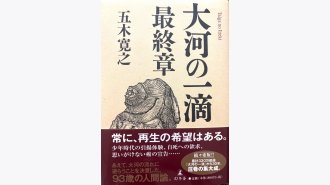
またまた大好きな作家・五木寛之著『大河の一滴 最終章』(幻冬舎、2026年2月)を読む。もう3刷だ。1998年発行の『大河の一滴』から30年近く、94歳を迎えての最終章となる。 五木寛之さんは2024年秋、ステージⅡの中咽頭癌の診断を受け、「日々、夕刊紙の連載、週刊誌の原稿、NHK『ラジオ深夜便』の出演もあるから、治療をするにしても仕事優先で受けたいと思うのです」と医者に告げて、放射線治療を選んで快癒。その1年後、まるで20代の青年のように「人はなぜ生きるのか?」を考え続けて本書の出版になったという。 その間、五木さんは、敗戦直後の北朝鮮(平壌)で、注射一本、薬一服、与えることもできず、遺骨を持って引き揚げることすらできなかった母親のことを思い、自ら癌と診断されても動じなかったのは「自らを罰したいと思っていたのかもしれない」と考える。そして、ある時、「もういいのよ。わたしのことを気にするのはやめなさい」という母の声が、ふと聞こえてきたという。そして大河の流れに身を任せるのではなく、大河の流れに抗ってでも生きる、「生きられなかった誰かのために生きる」と強く心に決めたのだと書く。 「引揚者」という言葉も、もう死語なのかもしれない。私の父は戦中、中国・北京で中国との農業関係の合弁会社で仕事をしていた。それで私も戦中、中国の北京で生まれた。「北京秋天」、突き抜けるような青い空の乾いた空気が体に合わなかったのか、母は肋膜炎から腹膜炎を患い、16貫(60キロ)から9貫(33キロ)まで痩せてしまい、ようやく早産で小さな私を産む。生後3カ月、首が座った私と母を連れて、父が、おむつをいっぱい入れたリュックを背負い、満鉄に乗り、関釜連絡船を渡って熊本まで送り届けてくれたおかげで、私は辛うじて「残留孤児」にならずに済んだのだった。 戦後、帰国した父は満蒙開拓団の長野県の引揚者たちと共に山を開墾して農場長となる。ニュージーランドで覚えた技術で羊の毛を刈り、牛や豚を育てて。戦後、食べ物のない時代、バターやチーズをたっぷり食べて丸々と太っていた私。父は、お酒の飲み過ぎで肝硬変を患い、57歳で早く亡くなったけれど、母は絞りたての牛や山羊の乳を飲んで、すっかり元気になり、5年前に98歳で天寿を全うした。 五木寛之さんの本は、1966年『さらばモスクワ愚連隊』(第6回小説現代新人賞)、1967年『蒼ざめた馬を見よ』(第56回直木賞)、1976年『青春の門 筑豊篇』(第10回吉川英治賞)の頃から、ずっと愛読している。 以前、エッセイ「旅は道草」シリーズにも書いたけど、1993年、五木さんを京都府主催「KYOのあけぼのフェスティバル」の記念講演に国立京都国際会館へお迎えしたことがある。当時、私は中西豊子さんの「女の本屋」の企画会社・フェミネット企画で企画・編集を担当していて、「ぜひ五木さんをお呼びしたい」との熱い思いで、『内灘夫人』の霧子に寄せて心を込めてラブレターを書いたら、思いがけず、ご本人から「はい、行きますよ」と直接、お返事をいただいたのだ。その時の講演のタイトルが「暗愁」だった。当日は演題にぴったりの「秋時雨(しぐれ)」の日。バーバリーのレインコートを片手に五木さんは颯爽と会場に現れてくださった。 (Sentimental Journey 離婚旅行(旅は道草・25) ポルトガル・リスボンの裏通り、ファドが聴こえる 「暗愁」とは? たとえばポルトガル語の「サウダーデ(Saudade)」。ポルトガルの「ファド(Fado)」で歌われる「もう二度と戻らないものへの深い切なさ」のように。それからロシア語の「トスカ(Tocka)」も、ハングルの「恨」も、中国語の「悒(ゆう)」も、「悲哀や無念さ、悲しみ、切なさ」を意味する。英語の「ブルース」も、そうなのかな。それを日本語では「暗愁」と呼ぶらしい。 2008年9月、ポルトガルへ旅をして夕刻、リスボンの街の裏通りをぶらぶら歩いていたら、どこからかギターの音色に乗せて、もの悲しい「ファド」のメロディが流れてきた。「ああ、これがサウダーデだな」と思って、立ち止まってじっと聴いていた。またポルトガルに旅して、あのメロディを、もう一度聴いてみたいなあ。 ポルトガルのコンペイトウ(旅は道草・20) ああ、旅に行きたい、ポルトガルへ(旅は道草・128) 本書の最後の章に、2025年8月の秋田での講演「人生の四季」が採録されている。人の一生を4つに分ける「四神思想」という言葉が中国にはあるという。「青春」「朱夏」「白秋」「玄冬」。この4つの人生の底に流れる「生きる愁い」、心の中に深くわだかまっている、なんとも言えない感情は世界共通のものだという。旅愁でもなく、哀愁でもなく、もっと根源的な「人間存在の深い悲しみのようなものが、人の一生の中に流れているのだ」と。 では日本語にそういう表現があるのかと、五木さんは古典を遡り、あれこれと探して、ようやく「暗愁」という言葉に、たどり着いたという。「生きていることがもっている愁い、存在していること自体に愁いがあるという感覚」を示す中国伝来の言葉として、はるか奈良時代、平安時代から明治の文人たちの間でも広く用いられてきたそうだ。 「暗愁」を生きる。それは「自分自身のために生きる」のではなく、「生きられなかった誰かのために、生者は死者のために一日でも長く生きる義務があるのではないか」と。そのために大河の一滴の流れに抗ってでも生きる。それが現在、94歳の五木寛之さんの目下の結論のようだ。見事な生き方だなあと思う。 9月2日(水)午前4時からのNHKラジオ深夜便「五木寛之のラジオ千夜一話」を、NHKONE「らじる☆らじる」の聞き逃し配信で再聴した。つい先頃、五木さん自身がつくられた作詩・作曲の昭和歌謡の歌が流れてきた。まさに「暗愁」のメロディだった。インタビューの受け答えも、とってもお元気そうな声で、ほんとにうれしく拝聴した。 私は、かれこれ40年以上、作家たちの講演やインタビュー、会議録のテープ起こしの仕事をしている。それも富士通の「親指シフト」のキーボードで1時間の録音は1時間半くらいで起こせる。最初の頃は原稿用紙に書き起こし原稿を書き、今はパソコン入力でデータをメールで送る。録音もカセットテープの音源からギガファイルのデジタルデータへと変化している。そして今はAI時代。もはや国会や裁判所の速記官の養成もなくなり、デジタル化の方向へ邁進しているとか。それでもなお時々、人伝えに、あちこちから頼まれて仕事を続けている私。 そんな中で音声起こしをした文章が、そのまま何の手直しもせず、完全原稿になる人が、これまでに二人いた。そのお一人が五木寛之さん、もうお一人は上野千鶴子さんだ。話し言葉を、そのまま起こして見事な文章になる語り口。しかも的確で、なめらかな文章になっているのが、とても不思議だ。さすが、お二人だなと感服するばかり。 本書を読んで、「なるほどな」と思ったことが一つある。仕事で対談をすることがよくあるという五木さんは、「対話とは、結局のところ、人間が持つ差異、つまり自分と他者は違うという事実を確認し合うことだと思うのです」と書かれていた。「へぇ、そんな考え方もあるのですね。そんな話もあるのですかと驚くことがある。そのことこそが、自分の意識の範囲を打ち破ってくれる。対話は互いに仲良く共鳴するためにあるのではなく、基本的には、異質なものと接触するということだと思います」と語られていた。 そうなんだ、人と人とのかかわりは、互いに違いを認め合うことが大事。自分と人とは違う。違うからこそ楽しい。相手への共感よりは、自分にはない、新しい考えを相手の中に見つけることができることこそが「他者と対話する醍醐味なのだ」と思う。 毎日新聞「戦後81年の表現者たち」で、五木さんは「大河の一滴に逆らう一滴として 引き揚げ・創作の根底・誰かのために生きる」を語っていた(2026年8月17日付。聞き手・棚部秀行)。 外地からの引き揚げ者にとって戦争の体験は被害体験でもあり、同時に過去の加害体験を背負っています。しかしそれを伝えなければ外地から生きて帰ってこられなかった人たちに申し訳ない」「生きんと切に願いつつ、それを果たすことあたわざりし人のために生きようということなんですよ」「そのためにも自分とつながりを持つ人をイメージできるかということが大事。自分にとって大事だと思える人がいるのか。そういう思いを巡らせていくのもいいのかもしれませんね」と結ばれていた。 うん、そうだ。そんな想像力の中から「人と人との関係」や「他者との対話」が生まれてくるのかもしれないと思って読み終え、大きく頷いた。 五木寛之さん、どうぞ、いつまでもお元気で。みんなで五木さんを追いかけ、あとに続いていきますからね。
-
Why I Don’t Welcome a Female Emperor by Chizuko UENO

2026.09.19 Sat
Image by Sekai:https://websekai.iwanami.co.jp/posts/9748Whenever I’ve been asked to comment on the imperial system, I’ve declined. The more it was discussed, the more I feared that the debate—both for and against—would draw public attention. Instead, I felt it would be better for interest to gradually wane and for the imperial line simply to fade away when it came to an end. Now, the continuity of that imperial line is in jeopardy. Aside from Crown Prince Akishino, the only male-line heir to the throne in the next generation is his son, Prince Hisahito. By stoking a sense of urgency—that amending the Imperial House Law cannot wait—efforts are underway to pass an amendment during the current session of the Diet. The proposal offers two options: strictly adhere to succession by male descendants in the male line, or allow a female emperor. The former would create an adoption system for male descendants of the imperial line, while the latter would allow female members of the Imperial Family to retain their status after marriage. Both approaches could also be adopted. Another last-resort option for expanding the pool of potential heirs to the throne is the concubine system. Ancient emperors had female court attendants and consorts known as uneme, and Emperor Meiji had two principal consorts and five concubines, with a total of 15 children (1). It was not until the reign of Emperor Taishō that emperors ceased to have concubines. Some conservatives argue that male-line succession can be maintained only through a concubine system, but this option is prohibited under modern civil law, which bans polygamy. Neither domestic nor international public opinion would be likely to tolerate it. Conservative political parties remain adamantly committed to male-line succession, while the Japan Innovation Party and the Democratic Party for the People both take an ambiguous middle-ground position leaning toward acceptance of a female emperor; the centrist parties, unable even to reach a consensus, later came to advocate accepting a female emperor. The centrists champion “equality under the law,” yet the imperial system itself fundamentally contradicts that principle. Even the Communist Party, which once advocated abolishing the imperial system, now calls for accepting a female emperor. When exactly did it switch to supporting the imperial system? Many historians have long maintained that male-line succession is not a Japanese tradition at all, but rather an “invented tradition” dating back to the Meiji era (2). Despite the emergence of the first female prime minister in Japan’s constitutional history, we now face the irony of that very prime minister taking the lead in insisting on male-line succession (3). The Imperial System and the Japanese Family System Both adoption and the loss of imperial status by female members of the Imperial Family are rooted in the traditional Japanese family system. It is well known that Japanese families have been maintained not on the basis of blood ties but as organizational units managed by their members. This family system incorporates non-relatives into fictive family relationships (such as those between master and disciple or sworn brothers); in this sense, Japanese families differ from the kinship-based family systems found on the continent. Adoption has helped sustain these flexible family structures. On the other hand, the loss of imperial status by female members of the Imperial Family upon marriage is also based on patrilineal kinship. A daughter who “becomes a member of another family upon marriage” changes her affiliation by taking a new surname. A surname signifies the affiliation of children born of the marriage; children who inherit their father’s surname therefore belong to their father’s clan. This is because a child is regarded as the most important outcome that marriage can bring a family. For a long time, divorce for a woman meant leaving her children with her in-laws and departing alone. Consequently, fear of separation from her children deterred women from divorcing. Yet the father did not raise the children left behind in a single-father household. Under this family system, the paternal side was able to exercise sole parental authority for so long precisely because the father’s parents and sisters could provide childcare. Sole parental authority shifted rapidly from fathers to mothers in the 1960s. This coincided with the rise of the nuclear family, a decline in the proportion of three-generation households, and the onset of an era in which families could no longer rely on grandparents for childcare support. Although few Japanese fathers—either before or after that time—could be said to have taken an active role in raising children, “joint parental authority” was nevertheless written into law the year before last. This patrilineal principle of descent was explicitly enshrined in the Nationality Law until it was amended in 1985. Under the previous law, children born to a Japanese woman and a foreign man automatically acquired their father’s nationality. Conversely, children born to a Japanese man and a foreign woman acquired Japanese nationality. In 1985, in preparation for ratifying the UN Convention on the Elimination of All Forms of Discrimination against Women, the Diet amended this gender-asymmetrical law. It is clear, however, that the previous Nationality Law was based on the principle of clan affiliation under the traditional family system. Viewed in this light, it becomes clear that those who cling to the principle of shared surnames for married couples are seeking to preserve the patrilineal family system. They likely wish to maintain gender discrimination. Gender Asymmetry in the Imperial Family Both adoption and the retention of imperial status by female members of the Imperial Family raise a number of further questions. If adoptees were drawn from former branches of the Imperial Family, how close would the required degree of kinship be? Are there any eligible candidates in the first place? Even if there were, could their consent be obtained? Furthermore, could someone who had previously been a private citizen be prevented from using his new position for political or commercial purposes? House of Representatives Speaker Eisuke Mori, whose role is to forge a “consensus of the legislature,” faced a backlash after boldly stating that although an adopted son would not be eligible to succeed to the throne, his child could. Yet this would be a natural consequence of permitting male-line adoption. Male members of the Imperial Family would then be treated as little more than stud horses. Female members of the Imperial Family are likewise pressured to bear sons, effectively reducing them to “baby-making machines.” It is well known that those around the current Empress drove her into a corner because her only child was a daughter. When it comes to retaining imperial status, the key question is whether the spouses and children of female members should also be granted such status. Historically, when a male member of the Imperial Family married a commoner, his spouse and children became members of the Imperial Family. When a female member married a commoner, however, her spouse did not—a clear case of gender asymmetry. Furthermore, a commoner spouse without imperial status cannot be prevented from engaging in political activities, such as running for office. To begin with, the fact that marriage to a commoner does not affect a male member’s imperial status but causes a female member to lose hers is itself sexist. Conversely, if legislation allows female members of the Imperial Family to retain their status, they will lose the freedom to renounce it through marriage. We witnessed the media switch overnight from “Princess Mako” to “Ms. Mako Komuro” when Princess Mako, the eldest daughter of the Akishino family, married Kei Komuro. Princess Mako could not have gained her freedom without “fleeing” abroad. As things stand, the next generation has only one male heir to the imperial line: the eldest son of the Akishino family. There are two female heirs: the eldest daughter of the Imperial Family, Princess Aiko, and the second daughter of the Akishino family. If these two women leave the Imperial Household through marriage, the pool of candidates will shrink even further. Their opportunity to leave before the legislation is enacted is rapidly slipping away. The Tension Between Conservatives and Liberals Regarding amendment of the Imperial House Law, a peculiar tension has arisen between conservatives who insist on male-line succession and liberals (if they can truly be called that) who accept the possibility of a female emperor. Conservatives claim to revere the Emperor, yet by narrowing the pool of potential successors, they are helping to hasten the imperial system’s decline. Conversely, by advocating gender equality within the imperial system, liberals are actually helping to prolong its existence. Some conservatives even go so far as to say, “The Emperor doesn’t need to do anything” or “The Emperor has no human rights.” They may wish to preserve the institution, but they do not appear to revere the Emperor as a person. It is strange that the Imperial House Law is being amended without any input from the people directly affected. Before his abdication, the Heisei Emperor announced in a televised message that he wished to step down during his lifetime. In doing so, he sought to depart from the existing Imperial House Law, which provided no mechanism for a living emperor to abdicate; backed by public opinion, he secured a special exception to the law. The Emperor himself breached the norm barring him from political acts, and his wish to step down during his lifetime also sparked controversy. The government could have disregarded the message as a departure from the Constitution. Yet it demonstrated the Emperor’s considerable power to mobilize public opinion. The Heisei Emperor—that is, the current Emperor Emeritus—most likely took this unusual step because he had learned from Emperor Shōwa’s death. Having witnessed firsthand how repeated calls for public self-restraint only intensified dissatisfaction and backlash, he must have resolved not to repeat that mistake. If anyone could be called the “producer” of the imperial system—whether the Emperor Emeritus himself or the wise Empress Emerita—I believe this was a truly astute strategy. Public Interest in the Imperial System Eighty-one years after the end of the war and eighty years after the promulgation of the new Constitution, public opinion of the Emperor has changed with the times. Yet there is arguably no reliable dataset that consistently tracks postwar changes in such measures as interest in and support for the imperial system or the public’s sense of familiarity with the Emperor, because the questions asked in opinion polls have varied. Let us therefore examine the reliable NHK Survey on Japanese Value Orientations, conducted since 1973 (4) (Figure). Although these data go back only to 1973, interest in the imperial institution has steadily declined since the end of the war. The younger the generation—that is, the more recently its members were born after the war—the less interest they show. My hope that interest would simply fade away was therefore not entirely unfounded. Beginning around the 1980s, the aging Emperor Shōwa was portrayed by the media as the “Emperor of Peace,” described by overseas scholars as an “empty center” (5), and even idolized as “the cute emperor of young girls” (6). Interest in the Emperor surged during the transition from the Shōwa era to the Heisei era. Daily newspaper reports of Emperor Shōwa’s intestinal bleeding inevitably heightened public interest, but they actually diminished the respect people felt for him. Many must have looked at the city’s extinguished neon lights and wondered, with frustration, why the public had to refrain from concerts and parties simply because it was being taken on the emotional roller coaster of one elderly man’s health deep in the forests of Chiyoda. Even earlier than that, in the immediate aftermath of Japan’s defeat, public interest in the Emperor was largely negative. Among the common people, who had been unwillingly mobilized for a war waged in the Emperor’s name, resentment and hatred toward the Emperor were running high. While some citizens shed tears of shame in front of the Imperial Palace upon hearing the Imperial Rescript on the Termination of the War, it is clear from public opinion at the time that an even greater number of people believed the Emperor should abdicate and that the imperial system should be abolished. Michio Kimura, a farmer-poet living in the Tohoku region, recorded “My Grandmother’s Song,” in which she expressed her grief over losing her two sons in the war. “Why is Japan’s Hinomaru red? It is red with my sons’ blood, never to return (7)” Reading this, one can understand the feelings of those who cannot remain indifferent to the national flag. In today’s terms, would describing the red of the Hinomaru as the color of a son’s blood constitute verbal “desecration of the national flag”? Those same people enthusiastically welcomed Emperor Shōwa on his regional tours several years after the war ended. The occupying forces and the Imperial Household Agency orchestrated these tours, during which the Emperor traveled extensively through all 46 prefectures except Okinawa. It is well known that the occupying forces skillfully made use of the Emperor’s sovereign authority and the prewar bureaucracy. They placed the blame on the military leaders—headed by General Hideki Tojo—who had “assisted” the Emperor, executed them after the Tokyo war crimes trials, and absolved the Emperor of any responsibility for the war. Among the leaders of the countries involved in World War II—a war against fascism—Italy’s Mussolini was executed, Germany’s Hitler committed suicide, and Japan’s Hirohito alone was not held accountable. Emperor Shōwa, who toured the scorched wasteland left by Japan’s defeat aboard an imperial train bearing the chrysanthemum crest, was enthusiastically welcomed wherever he went with small Japanese flags and lantern processions. Although the Japanese mainland had not become a ground battlefield, the Emperor must have witnessed firsthand the devastation caused by the air raids. There were undoubtedly would-be assassins, yet the tours actually helped prolong the life of the imperial system (8). Confronted by the reverence and enthusiasm of ordinary people across the country, the occupying forces must have been struck by how deeply rooted the imperial system was. A people’s historian called this the “grassroots imperial system,” or the “imperial system of every tree and blade of grass” (9). The depth of the imperial system’s roots is also evident in a later episode involving a visit by the Minister of Health and Welfare to the hospital room of a Minamata disease patient. Suffering terribly from pollution caused by the state-sponsored company Chisso, the patient reportedly cried out from his bed, “Long live His Majesty the Emperor!” (10). This, however, expressed hope in a transcendent power that might save him; it was by no means a feeling of affection. Yet even that divine power holds no sway over those born after the war.The Emperor as “Guardian of the Constitution” During the reign of Emperor Akihito in the Heisei era—he is now the Emperor Emeritus—feelings of affection toward the Emperor rose rapidly. While Crown Prince, Akihito married the commoner Michiko Shoda, who became Crown Princess. He took no concubines and embodied the modern monogamous family, becoming a national idol. Wishing to raise her children herself, the commoner Crown Princess declined to employ a wet nurse, and women’s weekly magazines ran photo spreads on her lifestyle and fashion. The Heisei Emperor and Empress’s strategic presentation of the imperial institution had a profound impact. On their own initiative, they visited battle sites in Japan and abroad to offer deep condolences, and whenever disaster struck, they immediately traveled to the affected areas to comfort the victims. It must have been the first time the public had seen an Emperor kneeling before disaster victims. Thanks to the Heisei imperial couple, the image of an Emperor who “prays for peace and the well-being of the people” became firmly established. The Heisei Emperor repeatedly declared, “I will uphold the Constitution,” whenever the occasion arose. This was only natural, since the basis of the Emperor’s status lies in Article 1 of the Constitution. “Upholding the Constitution” also implied upholding the “peace constitution.” When the Act on National Flag and Anthem was enacted in 1999, the Emperor reportedly remarked at a garden party, “I hope it will not be made compulsory.” Consequently, even the liberal left came to regard the Emperor as a guardian of the Constitution. In a recent book, Koichiro Kokubun described this in the somewhat sensational phrase “Defeat by the Emperor” (11). He was referring to the “twist” whereby “the Emperor—whose very existence is grounded in Article 1—supports constitutionalists seeking to defend Article 9 to the end.” The data show that the conduct of the former Emperor and Empress won public affection for the imperial system, but since the Reiwa era began, both interest and affection have waned. For today’s younger generation, the imperial system is simply something that has always existed. With their classic imperial style, members of the Imperial Family cannot become fashion leaders or idols. Features on the Imperial Family were long a surefire topic for women’s weekly magazines, but that appeal has likely faded. Opinion polls show a recent slight increase in interest in the imperial system, probably because of media attention surrounding amendment of the Imperial House Law. The more the system is discussed—whether in support or opposition—the more interest it attracts. There is a reason I felt that “it’s better not to speak of it at all.” For the postwar generation, which views the imperial system as a form of traditional cultural heritage, the remaining question is probably whether its cost is commensurate with its benefits. The cost of maintaining the imperial system amounts to 12.6 billion yen for the Imperial Household Allowance, 13 billion yen for the Imperial Household Agency’s operating expenses, and, when security costs are added, approximately 34 billion yen annually (FY 2025). Human Rights of the Imperial Family Do members of the Imperial Family have human rights? They have neither freedom of occupational choice nor freedom of movement. Their privacy is monitored, and they are effectively caged birds. If democracy were simply a matter of majority rule, minorities would always be forced to submit to the majority’s will. People with disabilities are a minority, yet the international disability rights movement has long championed the slogan “Nothing about us without us.” Members of the Imperial Family constitute an even smaller minority, yet amendments to the Imperial House Law are being proposed without their voices being heard at all. Constitutional scholars refer to the imperial system as an “enclave” of human rights—in other words, an “exception.” It makes perfect sense for them to argue that before advocating gender equality in imperial succession in the name of “women’s human rights,” we must first eliminate this “enclave” (12). Yet the very concept of human rights admits no exceptions, nor should it. Fundamental human rights are “natural rights”: they do not require a guarantee by the state or by law but exist prior to both. That is precisely why they are called “innate human rights.” The imperial system is built on disregard for the human rights of the Imperial Family. The suffering it has caused its members is evident in the former Empress’s loss of speech due to stress and the current Empress’s adjustment disorder. The media reported the decisive words the current Emperor used when proposing to the Empress: “I will protect you with all my strength for the rest of my life.” Yet, as the Emperor himself later acknowledged at a press conference—“There were also developments that seemed to deny Masako’s very identity”—he was unable to keep that promise. The Emperor as the Source of Authority However, this minority consists of a privileged few. Their livelihoods are guaranteed by the people’s tax dollars, and they function as the source of authority. The Diet cannot convene without being summoned by the Emperor, and neither the Prime Minister nor cabinet ministers can be appointed. Indeed, the Japanese term for prime minister, sōri-daijin, derives from the “daijin” (minister) of the Ritsuryō system. The “ministers” of each ministry remain subjects of the Emperor to this day. This authoritarian order, which creates class distinctions among the people, runs counter to the principle of equality. Although distinctions among the nobility, the samurai class, and commoners were abolished after Japan’s defeat in World War II, the Imperial Family alone remained a privileged class. The Emperor is the source of authority. One’s rank—First Class, Second Class, and so on—is determined by one’s distance from that authority. When former U.S. Air Force General Curtis LeMay—who had led strategic bombing raids on Japanese cities during the war—was awarded the Grand Cordon of the Order of the Rising Sun, many citizens were stunned. The government skillfully manages the system of honors. Twice a year, in spring and fall, approximately 9,000 people—both famous and unknown—receive decorations ranging from the Supreme Order of the Chrysanthemum to the Orders of the Rising Sun and the Sacred Treasure, based on their contributions to the nation. For cultural figures, there is the Order of Culture. Looking at the list of recipients, one is impressed by the thoroughness with which even grassroots figures are recognized. The government does not cover travel expenses for attending the investiture ceremony presided over by the Emperor. Recipients must cover all expenses themselves—including bringing a spouse, having a morning suit or formal kimono tailored for the occasion, and hosting a celebratory reception after the ceremony. I’ve seen the actual medals before; they were cheap-looking trinkets that didn’t cost much to produce. Given that people are so deeply moved just by receiving such a tiny token, it’s a highly cost-effective government initiative. I’ve heard that people rarely decline an honor, but some prominent figures in Japan have done so. Because the Imperial Household Agency does not publish a list of those who have declined honors, the exact number cannot be confirmed. Based on their own disclosures, however, Nobel Prize-winning author Kenzaburo Oe, as well as Saburo Shiroyama, Haruko Sugimura, Yoshio Nakano, and Shunsuke Tsurumi, all declined decorations. The imperial system is thus a source of authoritarianism—indeed, it can be described as the very embodiment of a patriarchal system heavily skewed toward patrilineal principles. The patrilineal family system, supposedly abolished by the new Constitution, has survived with the Imperial Family as an exception. As long as it is held up as the model for Japanese families, any discourse of equality will ring hollow. Above all, double standards—including class distinctions—will persist under Japan’s legal system. The Mystery of “Preserving the National Polity” In 2024, the United Nations Committee on the Elimination of Discrimination against Women (CEDAW), in its “recommendations” to the Japanese government, called for revision of the Imperial House Law as well as the introduction of separate surnames for married couples. The blatant gender asymmetry of male-line succession had been recognized as gender discrimination even by international standards. In response, however, Japan’s Ministry of Foreign Affairs immediately took punitive action. Treating CEDAW’s recommendation as interference in domestic affairs, the government responded in a manner reminiscent of the Trump administration by suspending Japan’s financial contributions to CEDAW. It soon emerged that the Japanese government was already in arrears, producing the embarrassing spectacle of declaring that it would not make payments it had not been making in the first place. The government had not responded this way to earlier recommendations, such as resolving the issue of Japanese military “comfort women” or ratifying the Optional Protocol, but reacted with extreme sensitivity when the Imperial House Law was involved. I was also surprised to see the term kokutai (“national polity”) appear in remarks by a Liberal Democratic Party member of the Diet (13). I never imagined that the zombie-like term “national polity” was still alive, but what exactly does it mean? In the lead-up to accepting the Potsdam Declaration, the Japanese government clung to “preserving the national polity” until the very end. This obscure phrase meant nothing other than preserving imperial rule. Upon defeat, the government forcefully demanded the “preservation of the national polity”—that is, of the imperial system. Although it proclaimed Japan’s “unconditional surrender,” the occupation authorities likewise chose to conduct the occupation without dismantling the existing machinery of government. In that sense, Article 1 of the new Constitution was a “collaboration” between Japan and the United States, no matter how conservatives try to spin it. The conclusion is clear. The imperial system itself oppresses the people through its authoritarian nature. Patrilineal succession, far from being a Japanese “tradition,” is sexist in its gender asymmetry and inhumane in its disregard for the human rights of the Imperial Family. Even if the system shifted from gender asymmetry to gender symmetry and produced a female emperor, feminists would have absolutely no reason to rejoice. Nor does it matter whether the Emperor Emeritus and Empress Emerita are trustworthy people of good character, or whether the Emperor’s eldest daughter, Princess Aiko, has the qualities befitting an emperor. The issue is not individual character but the system itself. There is no reason to prolong the life of this system into the twenty-first century. As a democratic nation, Japan could have chosen a republic rather than a constitutional monarchy, and that option remains open today. If the Constitution is to be amended, we should start with Article 1. (1) Only five reached adulthood. (2) Recent examples include Emiko Ochiai’s “The Possibility of the Imperial Family’s ‘Sinicization’ Advancing Through Revision of the Imperial House Law—In Fact, ‘Patrilineal Succession’ Was Not a ‘Time-Honored Japanese Tradition’” (Gendai Business, June 7, 2026), among others. (3) Yoshinori Kobayashi, who was supposedly a conservative, supports Aiko as female emperor (Yoshinori Kobayashi, *Gomanism Declaration SPECIAL: On Empress Aiko*, Fusosha, 2023). (4) Hiroshi Aramaki, “Public Views on the Imperial Family: From the ‘Attitude Survey on the Imperial Household,’” *Broadcasting Research and Surveys*, March 2020, NHK Broadcasting Culture Research Institute. (5) Roland Barthes, *Empire of Signs*, Chikuma Shobo, 1996. (6) Eiji Otsuka, *The Girls’ “Cute” Emperor: A Subcultural Theory of the Emperor* (Kadokawa Shoten, 2003). (7) Michio Kimura, *The Road to the Village*, Shoshi Yamada, 2017. (8) Kosei Yagi, *The Emperor and Modern Japan*, Kodansha Gendai Shinsho, 2001. (9) Daikichi Irokawa, *Showa History and the Emperor* (Iwanami Shoten, 1991). (10) Michiko Ishimure, *Paradise in the Sea of Sorrow: Our Minamata Disease*, Kodansha, 1972. (11) Koichiro Kokubun, *Defeat by the Emperor*, Shincho Shinsho, 2026. (12) Yasuo Hasebe, *Reexamining the Constitution and Peace*, Chikuma Shinsho, 2004. (13) On February 10, 2025, during a session of the House of Representatives Budget Committee, LDP member Hayato Suzuki asked, “Which is more important: upholding treaties or preserving the national polity?”This article is an English translation of Chizuko UENO’s essay “Why I Don’t Welcome a Female Emperor,” originally published in the August 2026 issue of the magazine “Sekai” and made available for free as a special feature on the “Sekai” website (Translator: W-WAN Chizuko HANAOKA). You can read the original Japanese article here. https://websekai.iwanami.co.jp/posts/9748
-
岡田玖美子・著『「私的領域」を切り拓く--感情のケアをめぐる〈名前のない問題〉』 ◆勁草書房編集部 橋本晶子

2026.09.18 Fri
「私的領域」を切り拓く 夫婦の愛情や親密性は日々のコミュニケーションや社会背景との関係のなかで形成され、維持され、調整されている。ジェンダー平等化の過渡期にある現代の夫婦関係を「人格的ケア関係」としてとらえ直し、相互の人格の安定のために日々行われる感情作業のジェンダー非対称性を描き出す。近代家族論には欠けていた妻と夫双方の感情作業をとらえ、インタビューや計量調査を基に「私的領域」を「公的」な問題系へ切り拓く可能性を追究する野心的一書。 ◆書誌データ 書名:夫婦の親密性とジェンダー平等--感情のケアをめぐる〈名前のない問題〉 著者:岡田玖美子 頁数:368頁 刊行日:2026年8月 出版社:勁草書房 定価:5280円(税込)
カテゴリー:著者・編集者からの紹介
-
反橋 一憲 編著『大学生のためのダイバーシティ入門』 ◆石河敦子

2026.09.18 Fri
【どんな本?】 「ダイバーシティという言葉は聞いたことがあるけれど、具体的にはよくわからない」という方にも読みやすい入門書です。各章の最後には読者自身が考えたり、議論したりするためのワークをつけています。 本書は3部構成です。各部は「ジェンダーとセクシュアリティ」、「エスニシティ・多文化共生」、「障害・病気」と3つのテーマを取り上げ、それぞれについて、教育や労働などの社会制度と結びつけながら、実際にどのような問題が起きているのかを掘り下げています。 【なぜダイバーシティについて学ぶ必要があるの?】 私たちは、日常生活の中で、知らないうちに誰かを傷つけてしまうことがあります。差別や不当な扱いを経験した人にとっては、その相手を「加害者」と考えたくなることもあるでしょう。ですが例えば、セクハラ事例などを見ていると、相手を傷つけた人が、自分自身を「加害者」であると認識できるとは限りません。相手の置かれている状況を知らなかったり、想像できなかったりすることで、無意識に人を傷つけてしまうようなことがあるからです。 では、ダイバーシティについて学ぶのは、意図せず誰かを傷つけることを防ぐためなのでしょうか。私の答えはイエスです。誰もが、知らないうちに誰かを傷つけてしまう可能性がある。まずは、そうした前提を共有してもよいのではないでしょうか。 私たちはふだん、「自分の周りには多様な人々が存在しないし、多様な人々には出会わなかった」と思い込んでいるかもしれません。見えているのに「見えていない」人や、私たちが知らない事情を抱えて生活している人がいます。そうした存在に気づくことが、今まで以上に求められているのではないでしょうか。 日本に限らず、世界は多様な人々がともに暮らす場所です。一人一人の置かれている立場や状況、抱えている問題について知ることで、私たちは日常の中で、ちょっとした配慮や気遣いができるようになるかもしれません。それで救われる人がきっといます。 もちろん、個人の思いやりでは解決できない問題もあります。ときには社会制度そのものを変える必要があるでしょう。そうした問題について考え、社会のあり方を変えていくためにも、知識を持った市民の存在は、より公正な社会をつくる力になるはずです。 多様な事情を抱えながら生きてきた人々の存在を知り、お互いを傷つけることなく、だれもが安心して暮らせる社会をつくるには、どうすればよいでしょうか。また、無知や無理解が人を傷つける可能性があるということを、どのように伝えていけばよいでしょうか。 この本は、こうした問いについて考えるきっかけと材料を提供しています。一執筆者として、読者のみなさんといっしょに、考えていけたらと思います。 本書の構成と各章の執筆者 はじめに――「ダイバーシティ」って何? 序章 ダイバーシティについて学ぶ意義(反橋 一憲) 第Ⅰ部 ジェンダーとセクシュアリティ 第1章 ジェンダーとは何か(石河 敦子) 第2章 性の多様性(中村 奈津子) 第3章 学校教育とジェンダー・セクシュアリティ(中村 奈津子) 第4章 労働におけるジェンダー・セクシュアリティ(石河 敦子) 第5章 性的マイノリティへの差別とその解決へ――クィアという視点(反橋 一憲) 第Ⅱ部 エスニシティ・多文化共生 第6章 「日本人」の範囲――エスニシティの視点から(反橋 一憲) 第7章 外国人の受け入れをめぐる社会制度(永島 郁哉) 第8章 日本に住む外国人の社会生活(永島 郁哉) 第9章 多文化共生に向けて(菅野 淑) 第Ⅲ部 障害・病気 第10章 障害とは何か(鶴宮 慶) 第11章 障害と社会(鶴宮 慶) 第12章 障害・病気による差別(反橋 一憲) おわりに もっと知りたい人のためのブックガイド ◆書誌データ 書名 : 大学生のためのダイバーシティ入門 : 差別や偏見をなくすために知っておきたいこと 著者・編者 : 反橋 一憲 頁数 : 216頁 刊行日 : 2026年9月10日 出版社 : ナカニシヤ出版 定価 : 2,530円(税込)
カテゴリー:著者・編集者からの紹介




![[広告]広告募集中](https://wan.or.jp/assets/front/img/side_ads-call.png)